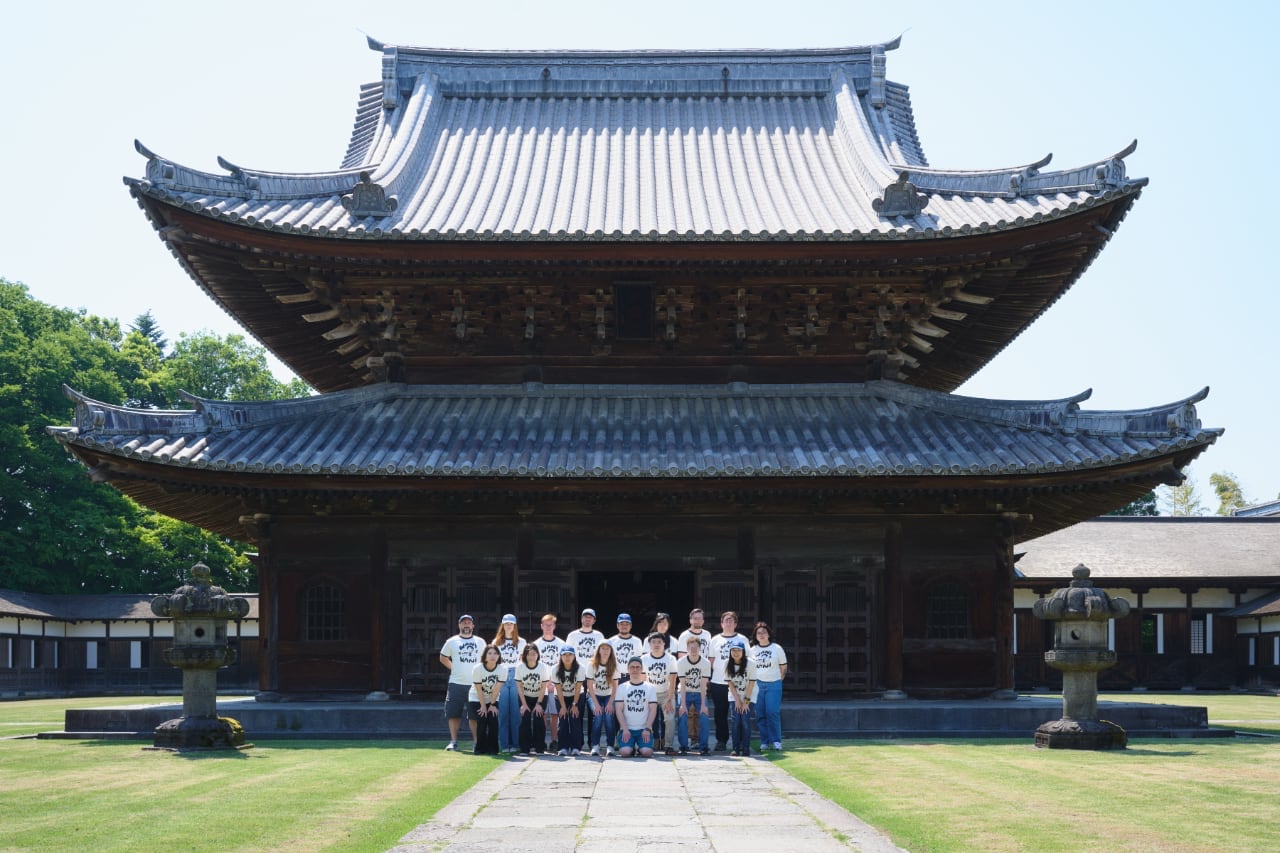
Many of the staff behind WaniKani are Japanese learners.
As one of the few native Japanese speakers on the team, I like to help my colleagues when I can. I also love using them as guinea pigs for my Japanese teaching experiments, but that’s a secret between you and me. 🤫
Obviously, none of my colleagues are reading this blog anyway, so I’d like to talk about a book club activity I recently started hosting.
How Do We Book Club?
First, I’d like to explain our current book club setup to give you the context.
Initially, I considered the idea of meeting up and discussing books, which I think is how many people out there book club. But we all live in different time zones, and I wanted to make it easy for everyone to stay involved.
So I decided to go async, meaning everything would happen over messages instead of meetings. Each week, I post that week’s material in our Japanese learning Slack channel, and people who read it respond in that thread. I asked participants to share things like:
- Questions
- Things you learned or discovered
- Things you were able to read or recognize
- Your thoughts on the reading
People have been responding in either English or Japanese so that advanced learners have the opportunity to practice using their Japanese. (And beginners get even more reading. 😉) So far doing it this way has been nice, and most importantly, it’s been steady.
Picking Our Material
Picking the right material for our book club was tricky.
Some of us are beginners, and some of us are very advanced learners. We wanted something that wasn’t too hard, so beginners could understand and enjoy it, but that still had room for advanced learners to learn something too. And more than anything, we wanted something fun and practical.
Then I found the perfect material: あたしンち.
It’s a manga series that revolves around the Tachibana family: Mom; Mikan, a high school daughter; Dad, a salaryman; and Yuzuhiko, a junior high school son. Each episode is self-contained, which makes it easy to read in small chunks.
I used to watch the anime version as a kid, and I love this series! It’s genuinely fun, and since it deals with everyday life rather than fantasy, the phrases are very practical.
The author, Kera Eiko, generously offers many episodes for free on her website, so we’ve been reading them over the last couple of months.
What We Read
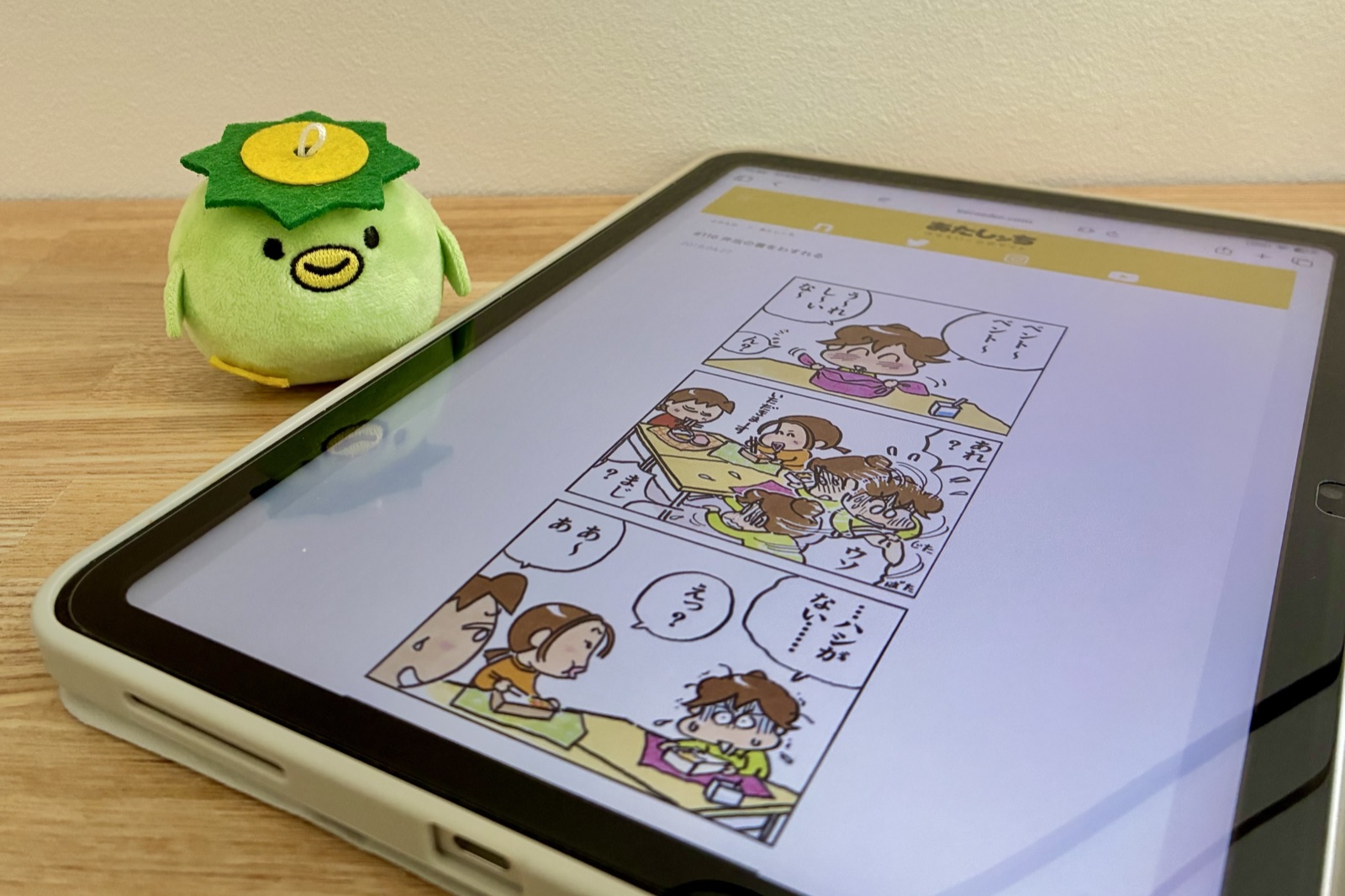
1st Week: あたしンち #116 - 弁当の箸をわすれる
I chose this episode because the vocabulary is fairly easy. At the same time, there’s a good amount of text to go through, so it feels rewarding to get through the whole thing and understand the gist of the story.
2nd Week: あたしンち #004 - 友だちが来た
This was another easy one, but more than anything, I wanted to pick something impactful to introduce the mom of the series. She’s sort of the main character, and she’s really something.
3rd Week: あたしンち #114 - アイスコーヒー!
I knew this would be more advanced than the other episodes I picked, but I wanted to spice things up! In the end, it was a bit harder for some people, but that also meant there was a lot to learn from it.
4th Week: あたしンち #346 - 家での父は腰がおもい
Even advanced learners seemed to learn something new, like the phrase 腰がおもい. Some words were written in kana instead of kanji, which may have caused some confusion, but in the end, being exposed to native material like this is good practice.
5th Week: あたしンち #176 - 歩き方を気にする
This was from earlier this week. There’s a hilarious panel in this episode, and everyone seemed to laugh out loud, including me. It’s nice to share laughs, especially because we’re a remote company.
All in all, our book club has been going really well, and I’ve been enjoying it too. I can usually read these manga pretty quickly, but this gave me a chance to slow down, notice things I wouldn’t have noticed otherwise, and enjoy each episode with my colleagues.
In the 弁当の箸をわすれる episode, where Mikan forgets her chopsticks for her school lunch, some of us got into a discussion about ways of eating from different cultural perspectives, and where Japanese people might draw the line between eating with chopsticks and eating by hand. Who would’ve thought a short story from あたしンち could be so thought-provoking?
If you’re reading this post and studying Japanese with WaniKani, give あたしンち a try! The episodes I listed might be especially learner-friendly.